How Act 44 Is Transforming Probation in Pennsylvania
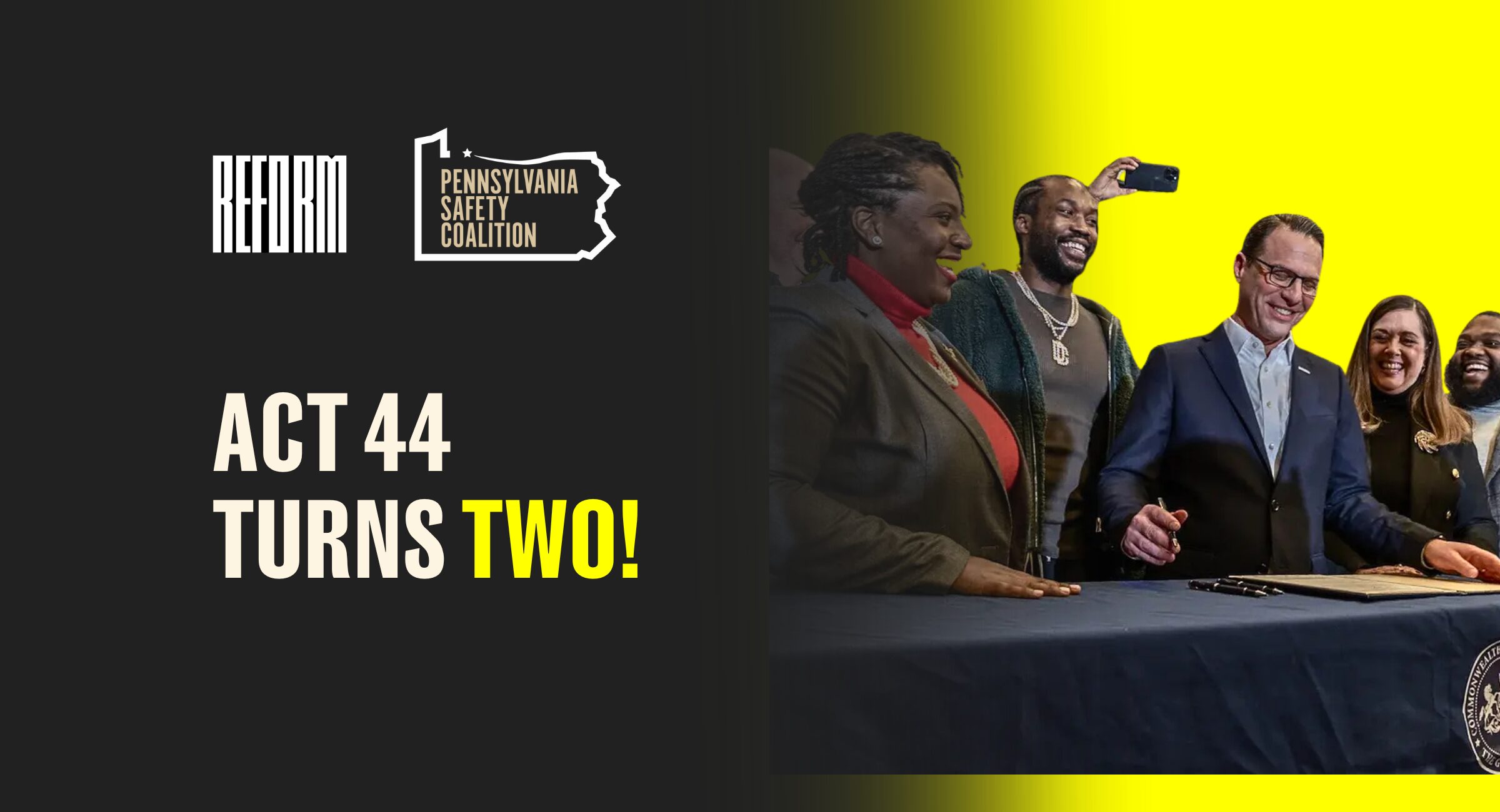
Two years ago, Governor Shapiro signed Act 44 into law. The passage of that bill represented a major milestone for REFORM Alliance and the culmination of five years of tireless effort by advocates across the Commonwealth, many of whom were galvanized by Philadelphia rapper Meek Mill’s shocking incarceration for technical probation violations and the resulting #FreeMeek movement.
So, in December 2023 when Meek Mill stood beside Governor Shapiro at the signing ceremony, with tears streaming down his face, it marked the end of a long, 16-year struggle with Pennsylvania’s probation system.

Before Act 44, Pennsylvania had some of the longest probation terms in the country, with massive county-by-county variation. According to the Council of State Governments, 54% of prison admissions in Pennsylvania were the result of supervision violations. The system designed as an alternative to incarceration had become a driver of mass incarceration.
Because of Act 44, Pennsylvania now has a fairer and more effective probation system, helping Pennsylvanians by:
- Limiting when someone can be sent to prison for a technical violation, and for how long;
- Creating a streamlined early termination process that establishes guardrails for term lengths and ends probation for those who no longer need it;
- Replacing one-size-fits-none probation conditions with an individualized approach that prioritizes rehabilitation and public safety;
- Incentivizing positive behaviors and personal growth by creating an earned time credits system that accelerates opportunities for early termination of probation; and
- Easing restrictions for people who’ve followed probation rules and only have outstanding restitution remaining.
That’s not just our opinion. We spoke to Elisa Downey-Zayas, who is the Managing Director of Behavioral Health, Alternative Sentencing, and Reentry for the Defender Association of Philadelphia. She’s seen the best and worst aspects of Pennsylvania’s probation system, and she’s seen firsthand how probation so often served as a trapdoor back to prison.
“Real freedom is never having to answer for where you are or what you’re doing again,” she says, “and Act 44 finally makes that possible.”
Before Act 44, Downey-Zayas saw the same barriers over and over—people doing everything right and still getting pulled back into the system. And what she saw in her caseload reflected the experience of thousands of Pennsylvanians across the Commonwealth. For many, probation didn’t last months or even a few years. It stretched into decades, shaping their families, their work, and their sense of what their future could be.
- Meghan Ross needed treatment for addiction but was sent back to prison because she was on probation. Even after getting clean and becoming an outreach worker, her judge denied early termination of her supervision five years in a row.
- Tameka Felder was originally sentenced to five years of probation, but her term kept getting extended until she spent 20 years on supervision. As her children grew older, she missed school events and faced daily challenges that forced her to choose between being a present mother and meeting the conditions of her supervision.
- Kim Wynings rebuilt her life after addiction, yet still owed $12,700 in fines, which kept her trapped on probation where she faced conditions like a prohibition against associating with anyone on probation or parole — which was nearly everyone in her support system.
- Danielle Davis, a mother of four, went 11 years without a single violation but because she still owed restitution, her supervision kept getting extended. She made monthly payments of $50–$100 out of a fixed income while undergoing two open-heart surgeries. “I thought I’d die on probation,” she said.
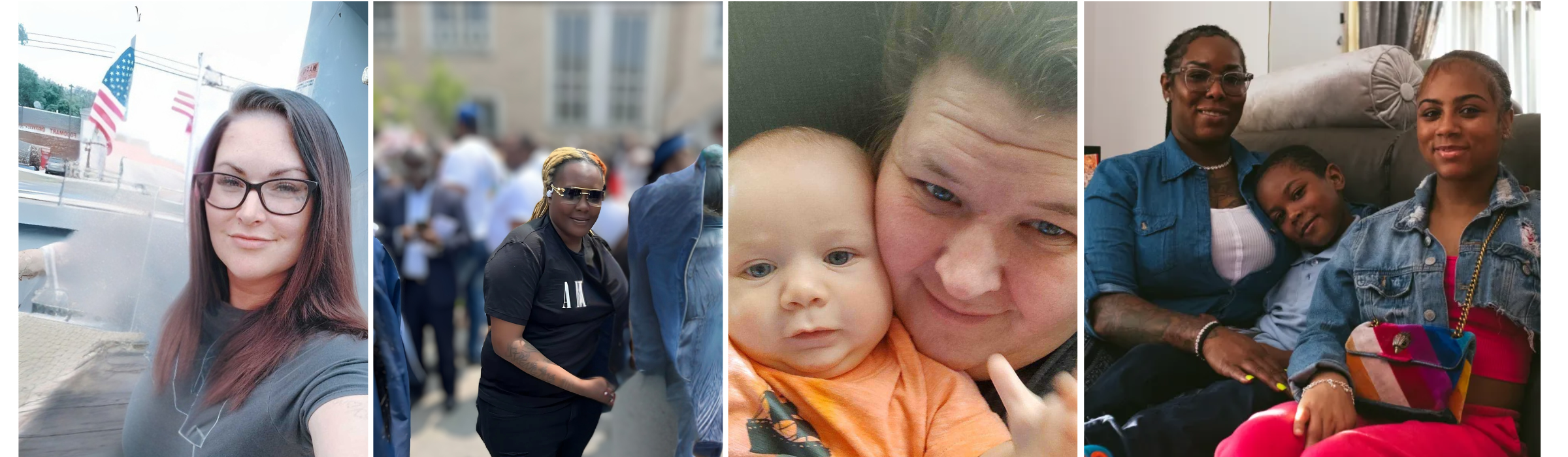
Today, these women are all free, but their stories showed exactly why Act 44 was needed: for too long, probation in Pennsylvania kept people trapped instead of helping them move forward.
“There was hopelessness, like this is never going to end,” Downey-Zayas says.
Passage of Act 44 means a safer, smarter probation system that promotes rehabilitation over endless probation terms and needless reincarceration.
“It’s been really amazing to call people who have been on probation for years, sometimes decades, and say, ‘You’re done,’” Downey-Zayas says. Being able to deliver that news has been transformative.”
When people are working, getting treatment, maintaining housing, and building stable lives, communities are safer. Act 44 returns supervision to what it was always meant to be: supporting people staying in the community and contributing to public safety.
When Meek Mill stood beside Governor Shapiro at the signing of Act 44, it marked the beginning of a different future for thousands of people whose lives had been shaped by the same system. Two years later, that future is taking shape.
Act 44 is helping people finish probation, rebuild their lives, and move forward without fear of being pulled back into the system. What began with Meek’s story is now changing lives across the Commonwealth.
####
If you’re a Pennsylvanian on probation and you’re curious about whether you’re eligible for early termination, try out our Act 44 Early Termination Tool and learn more about Act 44 here.
Have you already benefited from this bill? Let us know. You can email us at stories@reformalliance.com or share your experience with us here.