New Jersey’s Smarter Approach to Accountability and Recovery
Meet the New Jersey advocates working to pass SAARA, legislation that prioritizes treatment over incarceration, recognizes progress, and protects public safety.
A Smarter Approach to Accountability and Recovery
For REFORM’s New Jersey organizer Mike Winans, the work comes back to one word: freedom.
“I just think about the folks who are not free,” he said. “That’s what keeps me in the fight, knowing there’s someone who needs help.”
His own experience with federal prison and supervision showed him how difficult rebuilding a life can be. He joined REFORM Alliance to help others reclaim their freedom and turn that experience into lasting change.
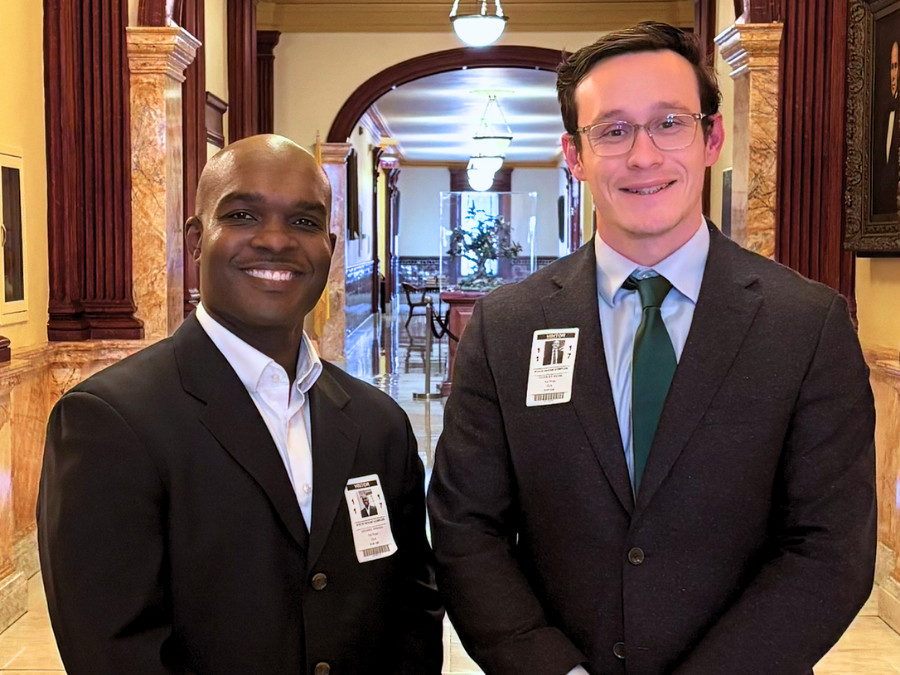
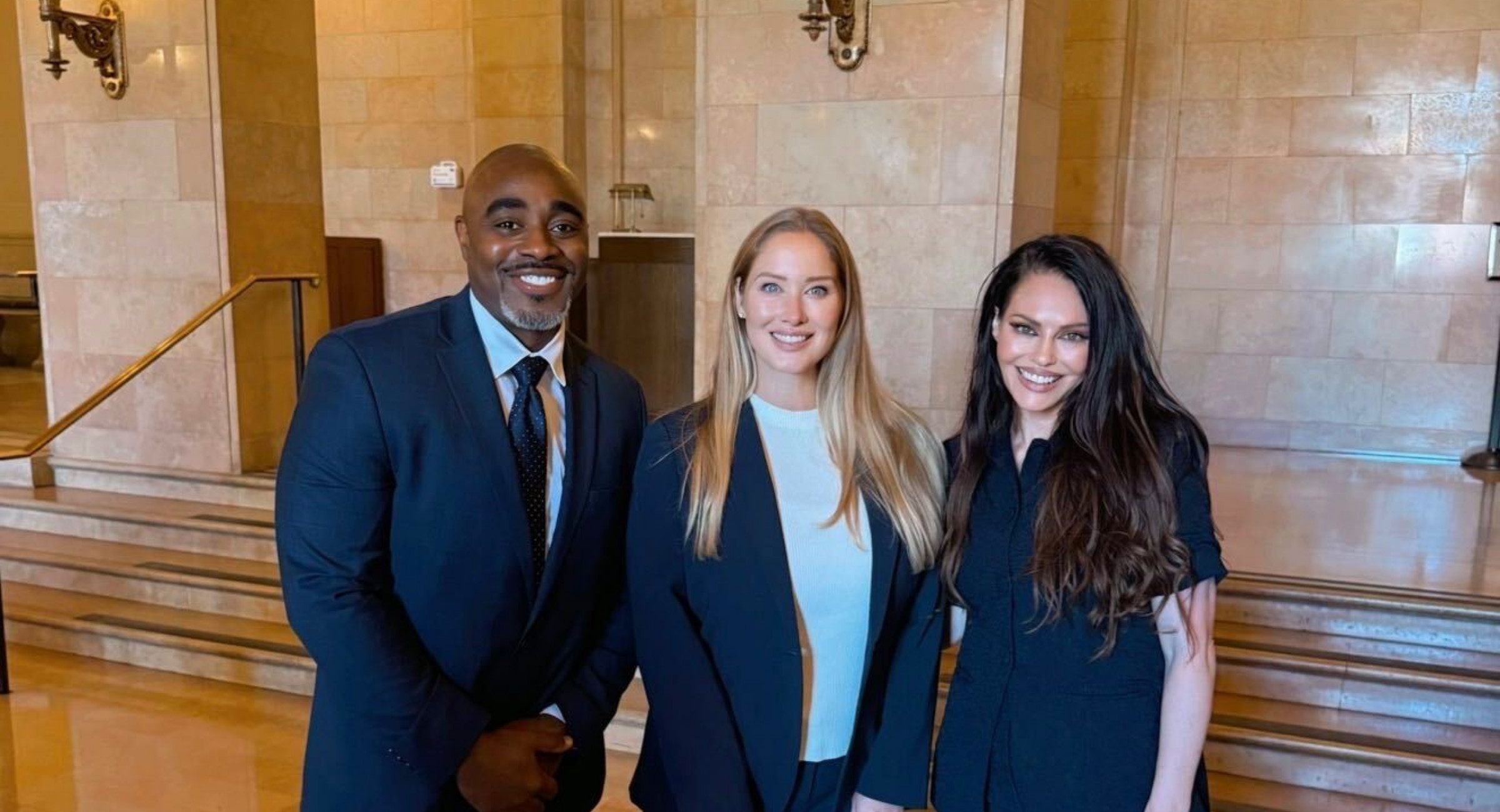
REFORM’s Mike Winans, New Jersey State Organizer, and Chuck Meire, Senior Policy Manager.
For the past two years, Mike has traveled across New Jersey, listening to people at churches, in support groups, and on college campuses. He’s met with business owners, law enforcement officers, faith leaders, people rebuilding after incarceration, and elected officials.
They bring different perspectives, but the same question keeps surfacing: How do we help people coming home from incarceration build stable lives, support their families, and stay on track?
The challenges can be steep. Coming home means finding a job and a place to live, rebuilding family relationships, and meeting supervision requirements. For many, it also means continuing the fight against addiction. Up to 70% of people in New Jersey prisons struggle with substance use disorder, and the need for treatment and support does not end when they walk out the door.
Yet a relapse or a broken supervision rule can send someone back to prison, even without new criminal charges. That can mean weeks or months in a state prison far from family, disrupting treatment and putting a job or housing at risk. Instead of getting help to recover and meet their responsibilities, people can lose the stability they have worked hard to build.
The Substance Abuse Accountability and Recovery Act (SAARA), A5311/S4492, would change the state’s response. Led by Assemblywoman Shanique Speight and Senator Andrew Zwicker, the proposal would prioritize treatment over incarceration for people on parole supervision who struggle with substance abuse, strengthen due process protections, and create a clearer path to ending supervision for eligible individuals who demonstrate sustained progress.
Turning relationships into reform
The push for SAARA builds on years of organizing. Last session, similar legislation cleared the Assembly Public Safety Committee but time ran out before it could advance further. Speight and Zwicker reintroduced the proposal in June.
Throughout that effort, REFORM has worked with community partners and engaged prosecutors, police, and parole officers to understand their concerns and ensure all perspectives were taken into consideration as the law was being shaped.
For organizations helping people find housing, get treatment, and keep jobs, that means ensuring the supervision system supports their work rather than disrupts it. SAARA would explicitly allow the Parole Board to direct people to community-based reentry services rather than reincarceration after a non-criminal violation, helping them address setbacks and meet their responsibilities while staying connected to the support they need.
Finding strength and support in one another
During his 30 years in prison, Edwin “Chino” Ortiz watched men leave, only to return behind bars, some for non-criminal supervision violations. He wanted to understand what was standing between them and a stable life outside prison.
When Chino came home in 2016, he began to understand what those men were up against. He worked multiple jobs and had his family’s support, but still struggled to find a place of his own.
“Nobody would rent to me because of my criminal background,” he told REFORM.
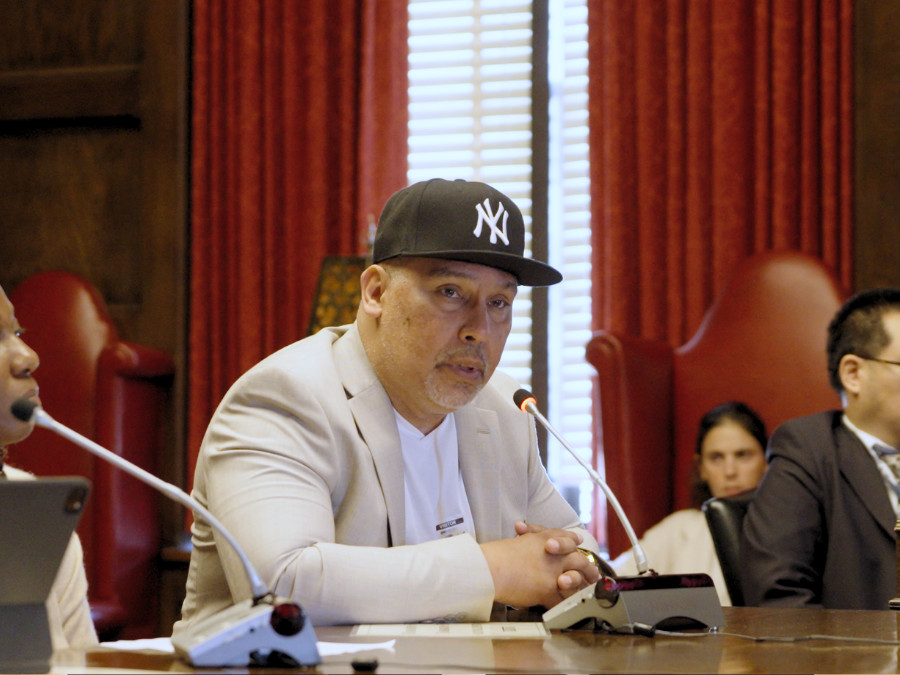
Edwin “Chino” Ortiz, Co-Founder and Executive Director, Returning Citizens Union, testifying at the NJ Assembly Judiciary Committee.
Some of his most meaningful support came from people who had been through the system themselves. That experience helped inspire him to co-found the Returning Citizens Support Group.
At its Thursday gatherings, people who have been home for decades sit alongside people released a week earlier. Families come with questions. There is food and clothing to take home, and room to talk without being judged.
Members help people navigate supervision requirements, find transportation to appointments, and connect with treatment. But for Chino, helping people rebuild also means advocating for structural changes to the supervision system to better support their progress. Through the Returning Citizens Union, the organization’s advocacy arm, he is pushing for SAARA to give eligible people a clearer path off supervision. He also supports provisions that could keep people in local jails rather than state prisons when incarceration is necessary, keeping them closer to the families they rely on.
“That family support is so important,” he said.
The people he speaks with in prison talk about “coming home and becoming homeowners, entrepreneurs, and starting their own organizations.” Chino wants a supervision system that helps them reach that future.
Recovery needs support, not a return to prison
Dr. Liza Chowdhury brings a former probation officer’s perspective to the push for reform.
During her decade on the job, she worked with people who wanted treatment but could not find an available bed. Waits could stretch from one to three months, leaving people “sitting in jail for a treatment problem,” she told REFORM.
“I wanted to come up with solutions.”
At the Paterson Healing Collective, Liza’s team connects people with mental health care, employment assistance, transportation, and other support, including help getting to supervision appointments. The approach is practical: address what is standing in someone’s way so they can meet their responsibilities.
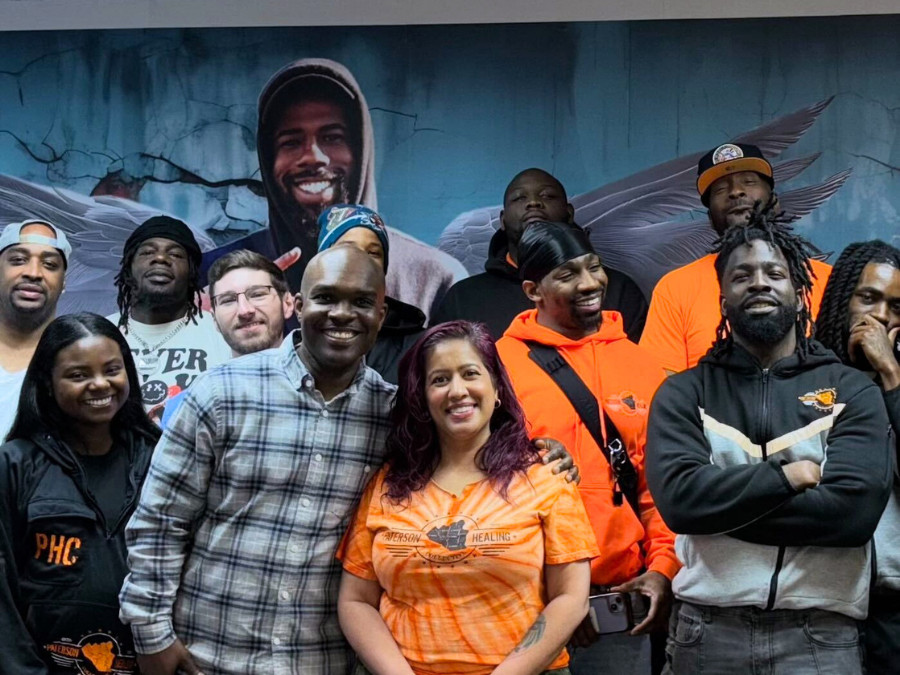
REFORM’s New Jersey State Organizer Mike Winans visits Dr. Liza Chowdhury, Executive Director of the Paterson Healing Collective, at the organization’s headquarters in Paterson, NJ.
Felix Duprey knows what can happen when those needs go unmet. In testimony on an earlier version of SAARA, he described his struggle with addiction and repeated returns to prison while on parole. Now a harm reduction navigator with the New Jersey Harm Reduction Coalition, he helps others find support.
“Send your family member to me, and I will help them,” he told the committee.
That is what a second chance can become. The person struggling today can become the person another family turns to tomorrow.
Protecting progress, together
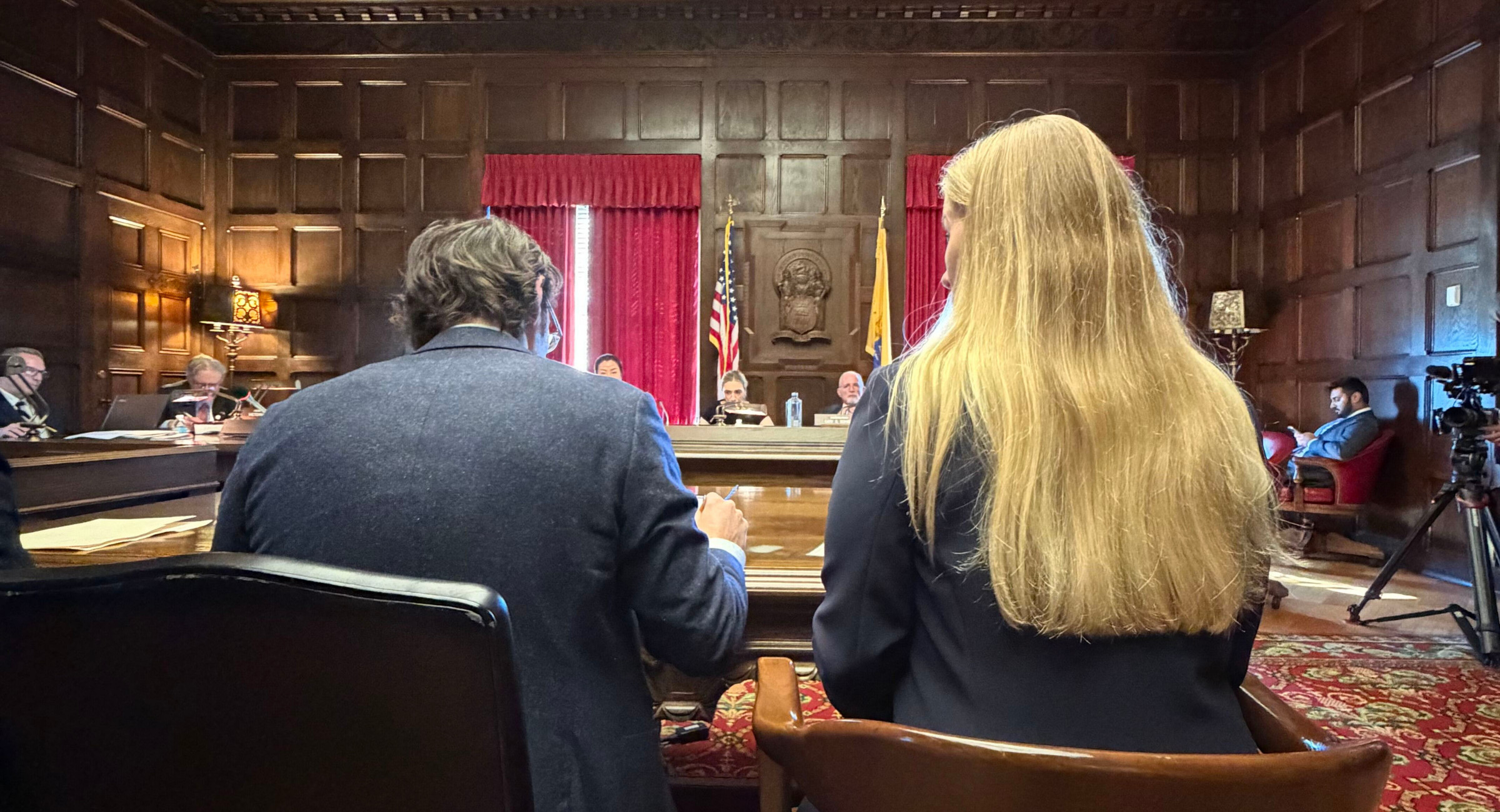
Making more of those second chances possible is what unites the coalition behind SAARA. On October 15, advocates, service providers, and community leaders brought that message to the Assembly Judiciary Committee, which voted to advance the bill.
REFORM Alliance’s VP of Community Engagement Jay Jordan, CEO Jessica Jackson, and Chief Policy Officer Erin Haney join coalition members at the Assembly Judiciary Committee hearing, where members voted 4-1 to advance the bill.
Speaking in support were the bill’s sponsor Assemblywoman Shanique Speight; REFORM CEO Jessica Jackson and Senior Policy Manager Chuck Meire; John Butler, political director of the ACLU of New Jersey; licensed therapist Alexandria Castellaccio; Edwin “Chino” Ortiz and Miseka Diggs of the Returning Citizens Support Group; Cathy Waters of the Urban League; community partners Duane Horne and Chelsea Hannah; and directly impacted individuals John Vega and Lashawn Fitch.
The vote marks a major step forward, but the work continues. SAARA still needs approval from the Assembly Public Safety and Preparedness Committee, Assembly floor, the Senate Judiciary Committee, and the full Senate before reaching Governor Sherrill’s desk to be signed into law.
For Mike, every step brings the effort back to the people behind it: someone working to reclaim their freedom, care for their family, and get back on their feet.
“That keeps me coming back over and over again,” he said.
People across New Jersey are doing the work to rebuild their lives. Their supervision system should help them succeed.
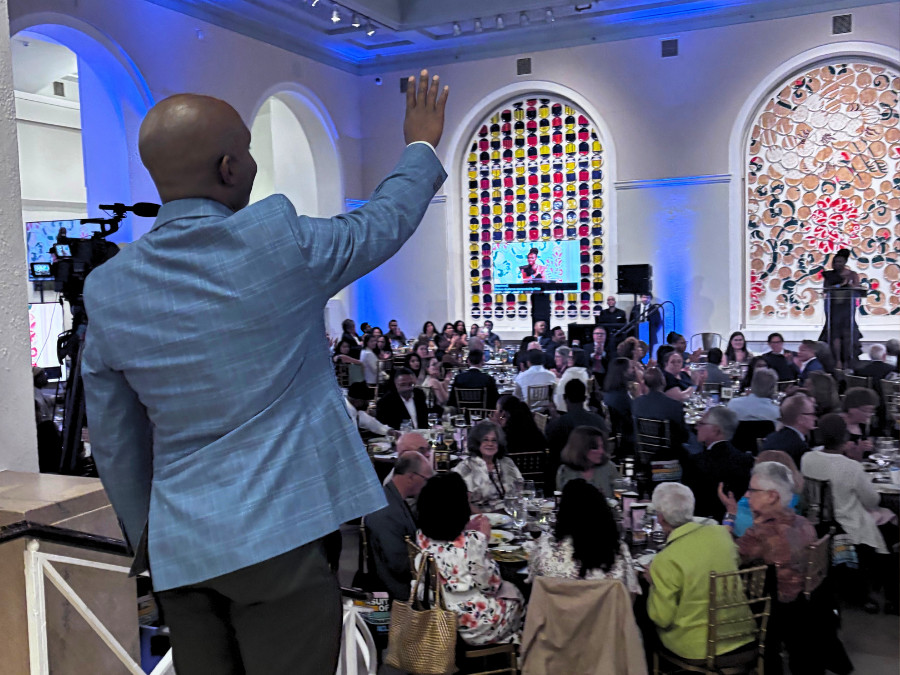
Mike Winans, REFORM’s NJ State Organizer at ACLU-NJ’s 65th Anniversary Gala.
Join REFORM’s efforts in New Jersey: become a REFORMer today.